Start with the port, not the claim
Tank Saver is presented for most gasoline and diesel vehicles with a standard OBD-II port. “Most” is not the same as every vehicle. Model year, market, connector location, existing diagnostic accessories and the vehicle manual all matter.
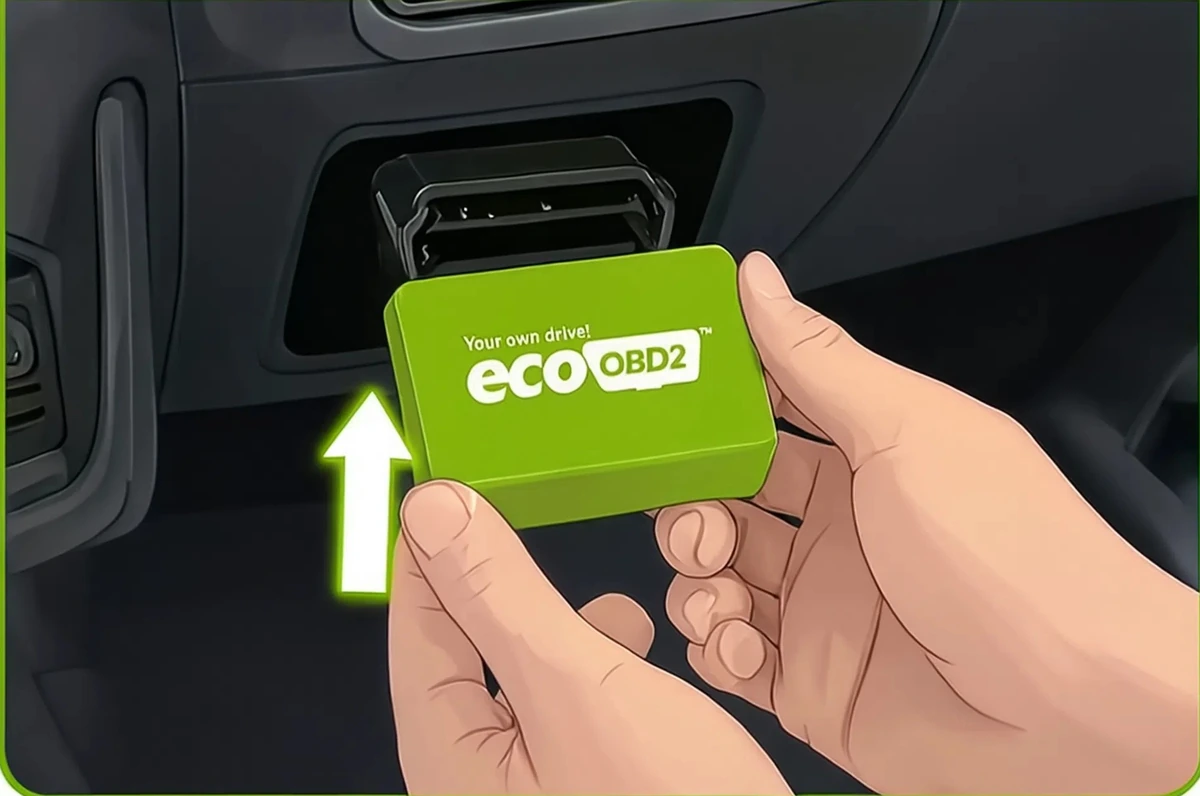
A practical fit check
- Confirm that the vehicle has an OBD-II port
- Check that the port is not already occupied
- Make sure the device will not obstruct pedals or knees
- Review the vehicle manual before installation
- Do not force a connector that does not seat cleanly
- Keep access clear for professional diagnostics
Product claims in context
The product materials describe up to 15% lower fuel consumption, around 10% more horsepower and approximately 200 km of calibration. These are brand claims, not independent findings from this site. A specific driver should not assume the maximum figure, and a device should not be used to mask a warning light or postpone necessary maintenance.
When to pause
Pause installation if the port appears damaged, the vehicle already has an active diagnostic device, the unit would reduce pedal clearance, or a warning light needs investigation. Unexpected behavior after connection is also a reason to remove the accessory safely and seek qualified advice.
Everyday safety
Keep the driver footwell clear. Do not handle the device while driving. Do not let the unit become a loose object in the cabin, and do not expose it to moisture or physical damage. Professional diagnostic access takes priority whenever the car is serviced.
Buy now at 70% off